Skip to content
Ecological Intelligence

Ecological evidence.
Independent perspective.
Explore Wild Lands ↗

Wild Lands / Ecological Intelligence

Bison return did not consistently raise mixed-grass prairie plant diversity

Long-standing bison parks did not show a consistent richness advantage over nearby cattle-grazed grasslands.

Bison return did not consistently raise mixed-grass prairie plant diversity
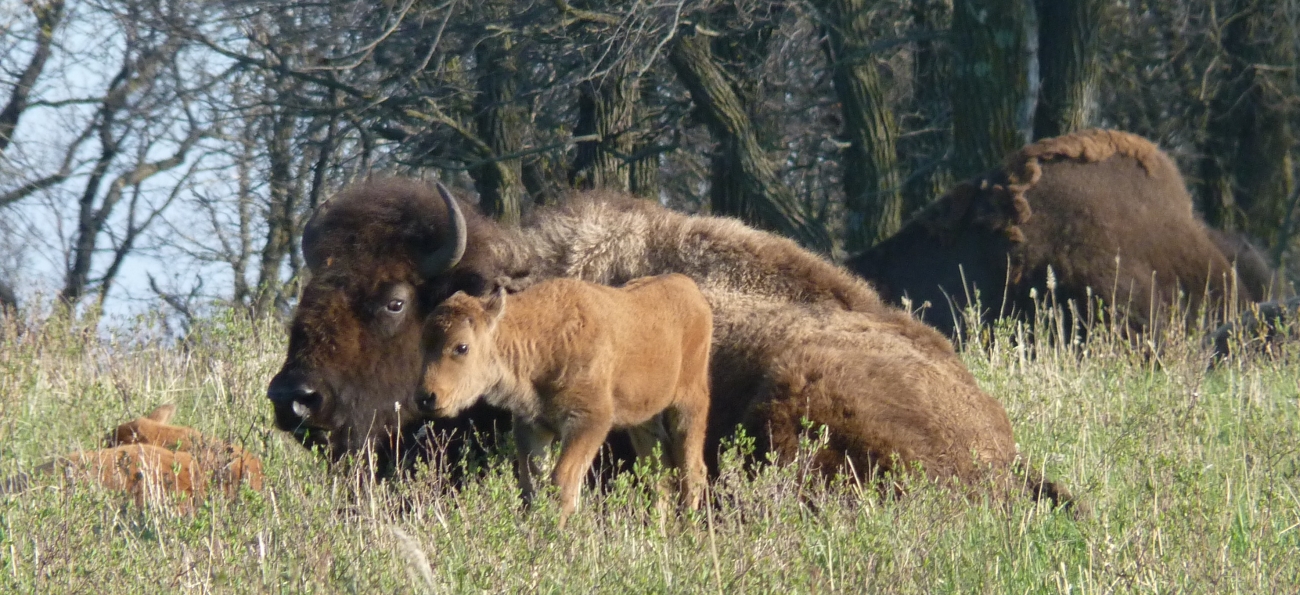
Audrey Bohl/USFWS — illustrative bison photograph from White Horse Hill National Game Preserve, NOT a study site in Badlands or Theodore Roosevelt. · Individual FWS asset page states Media Usage Rights/License: Public Domain. · Rights: Public domain
Evidence
Peer-reviewed
Geography
Badlands and Theodore Roosevelt National Parks and neighboring US national grasslands
System
Mixed-grass prairie; native grazer reintroduction

WHAT THE EVIDENCE SAYS

Comparing bison-occupied national park plots with nearby cattle-grazed grasslands, Noble and Ratajczak detected no consistent plant-diversity benefit from bison. One site had lower diversity where bison occurred, potentially influenced by invasive Bromus; heavier woody encroachment reduced diversity across sites.

WHY IT MATTERS / OUR READ

Restoring the native grazer is ecologically meaningful but not a substitute for measuring plant-community outcomes, encroachment and invasive vegetation.

CAVEATS / UNCERTAINTY

Observational, site-specific park-versus-grassland comparisons cannot isolate grazing identity from management history. First published January 2026, newly covered here.

SOURCE

Natural Areas Journal — Noble & Ratajczak (Jan 2026)
View original evidence ↗