
WHAT THE EVIDENCE SAYS
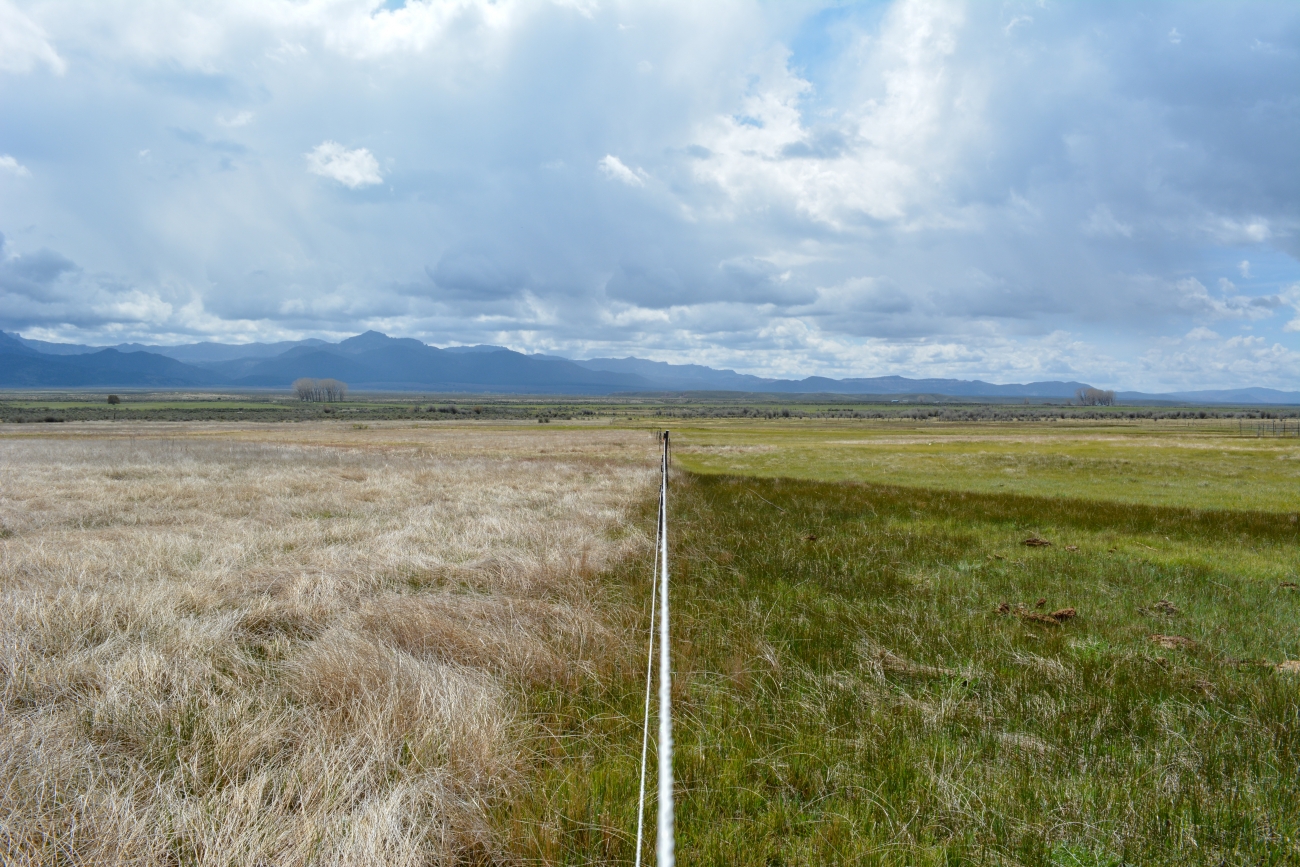
Across six Australian farms, researchers nested herbivore-exclusion treatments in plots dominated by native kangaroo grass or co-dominated by invasive African lovegrass. Invasion and herbivore exclusion both altered litter, microclimate, leaf-associated microbial communities and arthropod assemblages. Phyllosphere diversity generally declined under the interacting disturbances, and mammal exclusion changed fungal infection patterns affecting the native grass.
WHY IT MATTERS / OUR READ
The most useful management signal is that grazing and invasion cannot always be treated as independent switches. The ecological result of removing herbivores depends on which native and invasive species—and microbial interactions—are present; evaluate the whole plant–consumer system.
CAVEATS / UNCERTAINTY
Experimental results are local to six grazed farms and nested treatments. 'Buffering' by some herbivores is not a universal endorsement of livestock grazing or evidence of recovery in native plant populations.
SOURCE
Fioratti Junod et al. · iScience · grassland invasion and herbivore exclusion
View original evidence ↗