
WHAT THE EVIDENCE SAYS
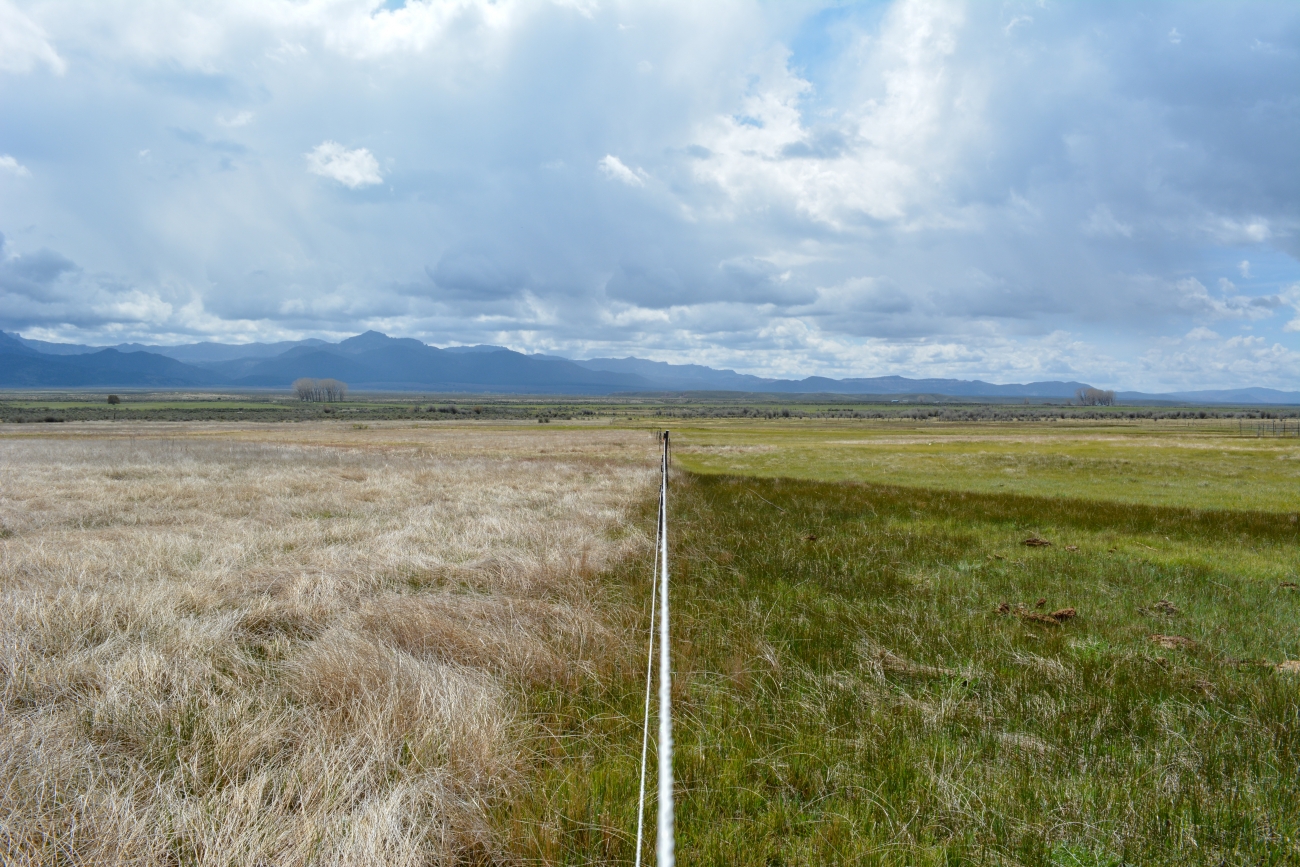
Researchers reconstructed global arable-land and settlement distributions across climatic zones. Expansion of settlements, especially in better-watered temperate regions, coincided with cropland being displaced toward marginal drylands, while tropical settlement and cropland expansion also transformed natural cover. The pattern creates indirect ecological costs beyond the mapped urban footprint.
WHY IT MATTERS / OUR READ
A land-use decision in one place can shift conversion pressure somewhere else. Ecological assessments of urban growth and agricultural policy should test displacement, forest conversion, water demand and food-system feedbacks rather than treating lost farmland as a local-only accounting change.
CAVEATS / UNCERTAINTY
Global spatial reconstruction supports a plausible displacement mechanism but cannot identify an experimental cause for every parcel converted. Land-cover classes, climate zones and indirect trade responses carry uncertainty.
SOURCE
Nature Communications — Gao and colleagues (29 Oct 2026)
View original evidence ↗