
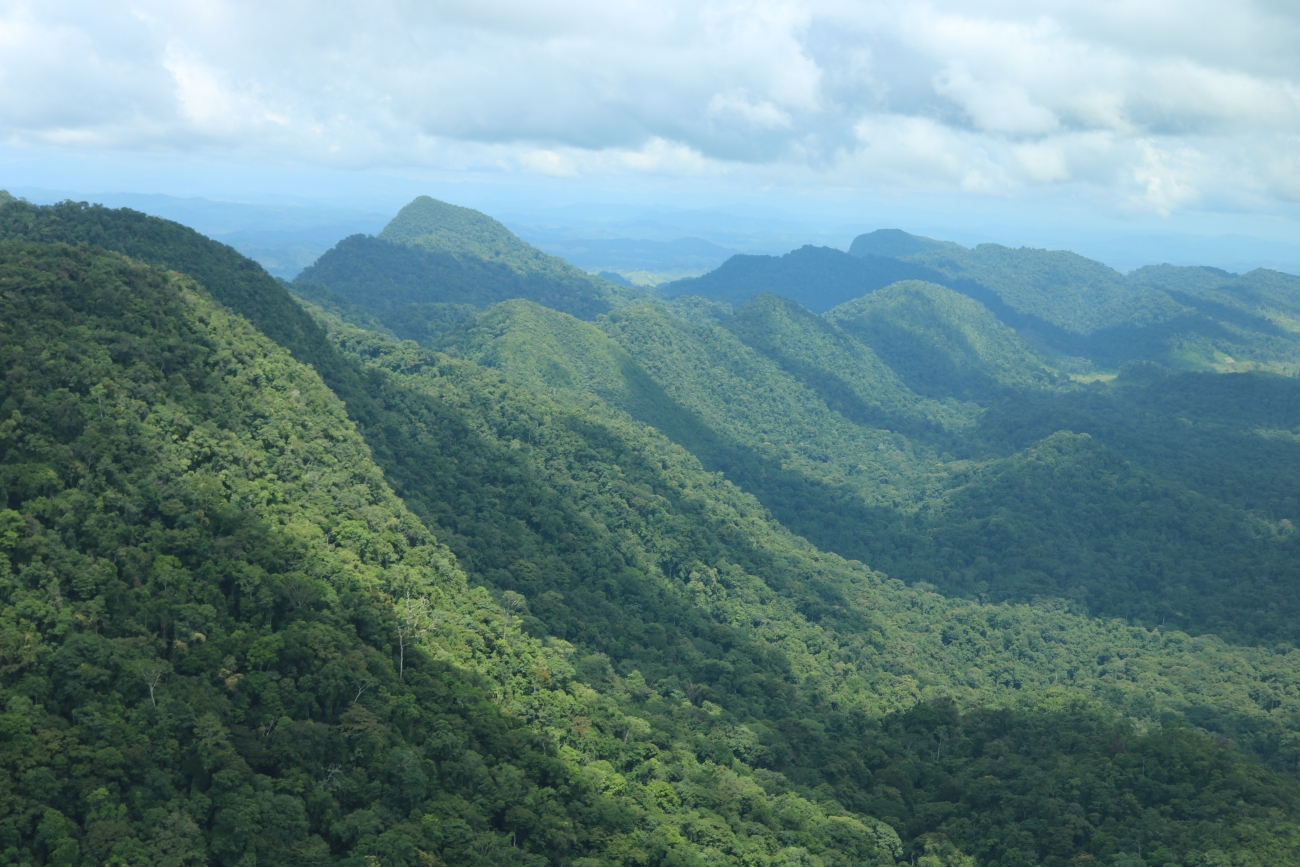
In Pemba, forest-rule violations rise when seasonal cash income falls
Four years of fortnightly household data paired with 15 years of forestry enforcement records link predictable income troughs to more illegal timber extraction—suggesting conservation pressure can be seasonal, not just chronic.
WHAT THE EVIDENCE SAYS
Researchers paired more than four years of fortnightly socioeconomic data from roughly 300 households with 15 years of forestry-enforcement records covering 745 detected illegal-resource cases. Median household income varied by about 40% seasonally, detected forest violations by about 20%, and higher earnings were associated with fewer illegal cases; across the models, a doubling of earnings corresponded on average to about a 45% reduction in detected cases.
WHY IT MATTERS / OUR READ
The management implication is timing. If livelihood scarcity is predictable, patrols, outreach, seasonal finance or alternative-income support can be targeted to the periods when pressure is most likely to rise rather than treating illegal extraction as a constant background rate.
CAVEATS / UNCERTAINTY
This is longitudinal observational evidence, not a randomized test of cash support or enforcement. Detected cases depend on enforcement effort and reporting, and the study does not prove that raising income alone will reduce extraction in other forest systems.
SOURCE
Cell Reports Sustainability
View original evidence ↗


