
WHAT THE EVIDENCE SAYS
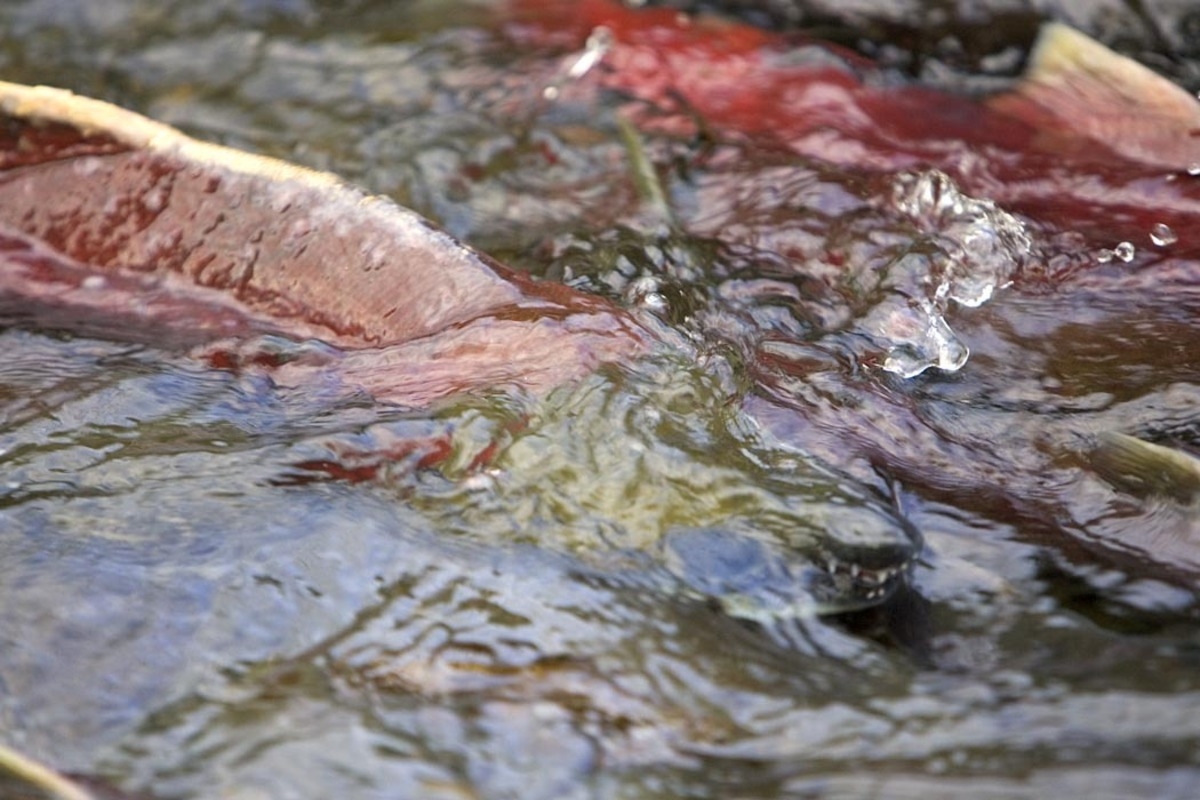
After four Klamath River hydroelectric dams were removed in 2024, a multisector research team used multibeam sonar and field surveys to estimate 7,742 adult Chinook passing into reopened reaches in the 2024 migration and 13,310 in 2025. Fish reached 345 kilometers of reconnected habitat—88% of their documented historical distribution—and navigated former dam sites and modified hydraulic passages.
WHY IT MATTERS / OUR READ
The early signal is that connectivity can convert restored access into actual animal movement remarkably quickly. The next management questions are more demanding: survival, successful reproduction, cold-water refuge, water quality, species-specific run timing and whether Tribal and agency restoration goals are met over many generations.
CAVEATS / UNCERTAINTY
The 88% figure describes documented historical river length reoccupied, not recovery to 88% of the former salmon population. Counts are modeled sonar estimates for two seasons and primarily likely fall-run fish; long-term recruitment and spring-run restoration remain unresolved.
SOURCE
Goodman et al. · Scientific Reports · Klamath dam-removal Chinook monitoring
View original evidence ↗