
WHAT THE EVIDENCE SAYS
A review assembled 135 Pan-Amazon defaunation studies and assessed how directly they measured ecological and human consequences. Evidence concentrates on hunted or fished vertebrates and provisioning contributions; cultural dimensions, invertebrate roles and measured consequences for ecosystem functions remain much more weakly documented. The geography of the literature is uneven, especially across the basin.
WHY IT MATTERS / OUR READ
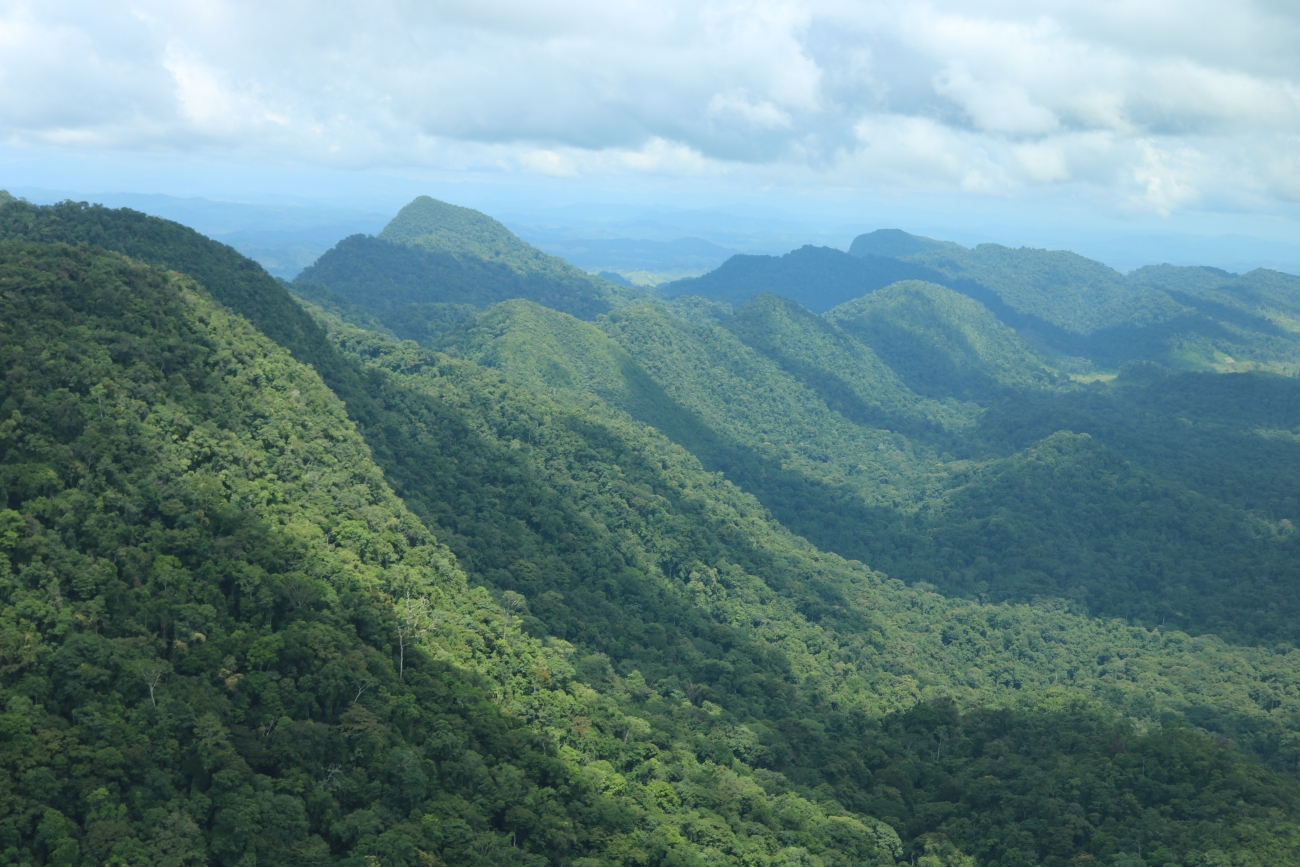
An intact-looking forest canopy cannot establish whether the animal-mediated processes on which a functioning ecosystem depends are still intact. More informative stewardship couples abundance and harvesting measures with seed dispersal, regeneration, local livelihoods and community priorities, while acknowledging what has not been studied.
CAVEATS / UNCERTAINTY
The review maps published evidence and research gaps; it is not a basin-wide field estimate of wildlife decline or a direct demonstration of a particular ecosystem-service collapse. Brazil/Peru sampling and research attention are not representative of every Amazonian community or taxon.
SOURCE
Biodiversity and Conservation · Pan-Amazon defaunation evidence synthesis
View original evidence ↗